
Supporting Families Through Grief and Loss
Grief doesn't follow a schedule, and it doesn't end when a service is over. At Treasure Coast Hospice, our commitment to families doesn't stop at the moment of loss — it continues, because grief is something people carry long after, and no one should have to carry it alone.
Grief Support Starts Before Loss
For many families, the grieving process begins well before a loved one passes. Anticipatory grief — the sadness, fear, and uncertainty that comes with watching someone decline — is real, and it deserves the same care and attention as grief after a death.
Our social workers and chaplains are part of the care team from the start, not just at the end. That means families have support in place long before they need it most, and a relationship already built with the people who will walk alongside them through what comes next.
What Bereavement Support Looks Like
After a loss, grief support doesn't disappear — it shifts into a new phase. Families who have been under our care can expect ongoing support that may include:
- One-on-one check-ins, where a grief counselor or social worker reaches out to see how a family member is doing, weeks or months after a loss.
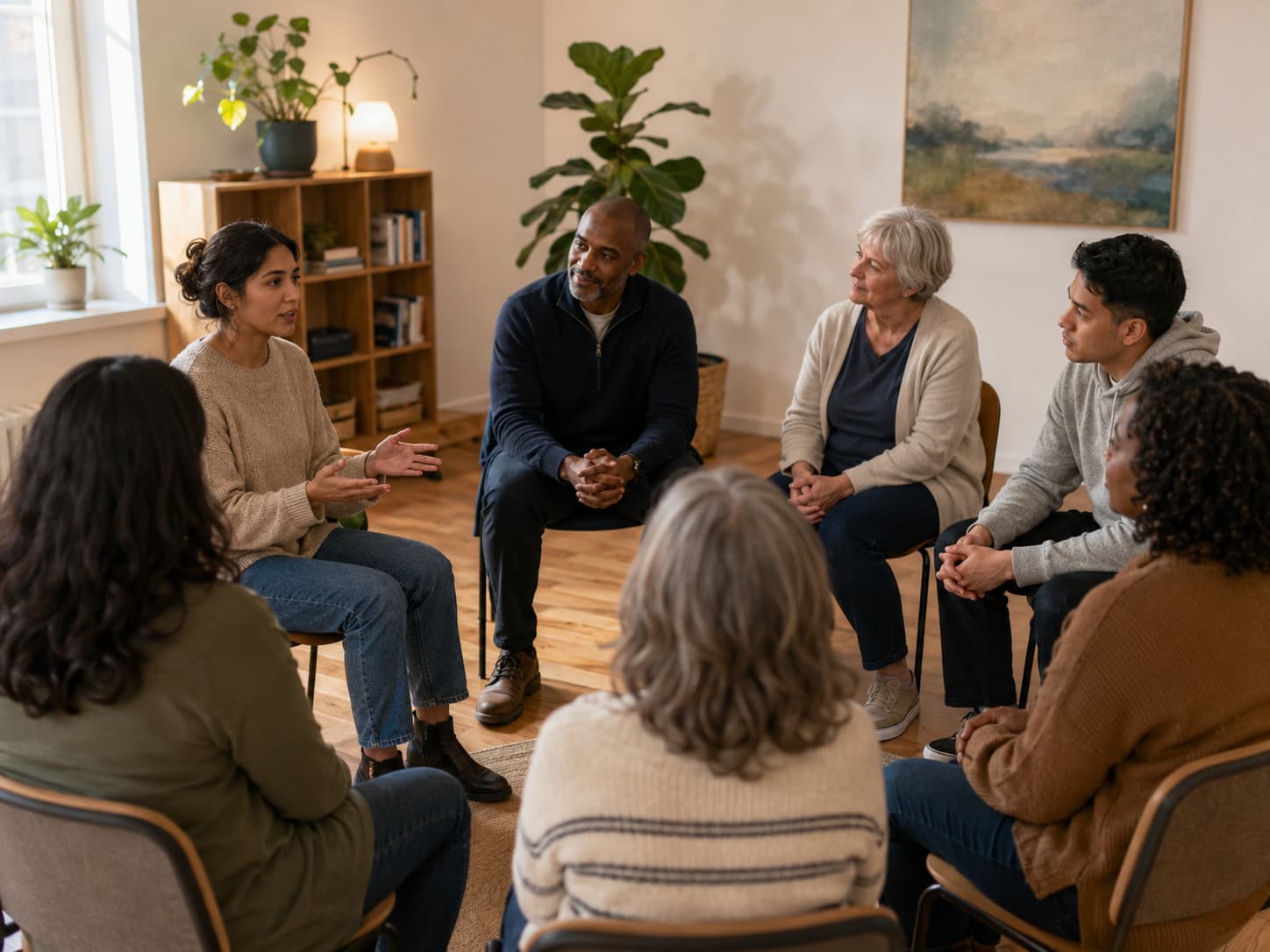
- Grief support groups, where people who understand this specific kind of loss can share the experience with others walking a similar path.
- Educational resources, helping families understand that grief is not linear — that it can come in waves, resurface around anniversaries or holidays, and look different for every person.
- Personal and family counseling sessions, offering dedicated time and space for individuals or whole families to process their loss together.
- Community remembrance events, bringing families together throughout the year to honor and remember their loved ones alongside others who understand the journey.
The goal is simple: no one should have to figure out grief on their own.
Grief Looks Different for Everyone
One of the most important things we tell families is that there's no "right" way to grieve. Some people want to talk. Others need quiet. Some find comfort in rituals and routines; others need space to feel whatever comes up, without pressure to explain it.
Children grieve differently than adults. Spouses grieve differently than adult children or siblings. Even within the same family, grief can look like anger, relief, guilt, numbness, or all of these at once — sometimes within the same day.
Our team meets people where they are. There's no timeline they're expected to follow and no "getting over it" to aim for — only support, for as long as it's needed.
A Continuing Relationship
Choosing hospice care means choosing a team that stays present — through the illness, through the loss, and through everything that follows. Supporting families in grief isn't an afterthought to what we do. It's part of the same commitment that brought us into a family's life in the first place: to care for the whole person, and the people who love them, for as long as that care is needed.
If you or someone you know is grieving the loss of a loved one who was in our care, we're here. Reaching out is never too soon — or too late.
Treasure Coast Hospice offers bereavement support to families in our community, whether or not their loved one was under our care.