The patient leads
Participation is always optional. A patient may decide what to include, leave questions unanswered, pause, change direction, or stop the project at any time.
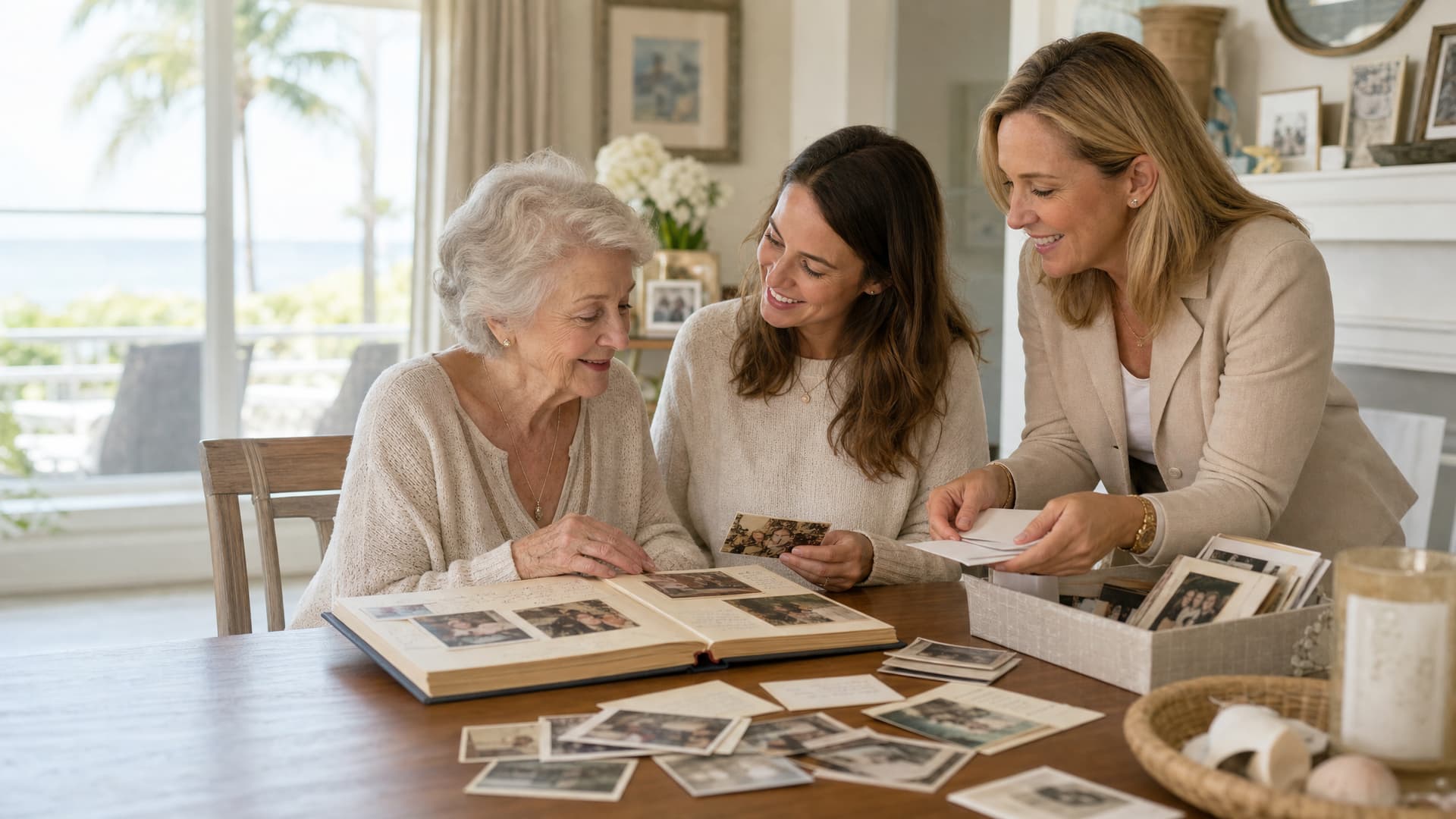
Our Legacy Program helps patients preserve meaningful messages, music, memories, and moments of connection in ways that reflect who they are and what they want loved ones to remember.
A legacy project can be as simple as recording a few spoken words or as layered as gathering stories, music, photographs, or reflections over several visits. The patient chooses what to create, what to share, and who may receive it. The care team keeps the process gentle, private, and responsive to the patient’s comfort and energy.
Participation is always optional. A patient may decide what to include, leave questions unanswered, pause, change direction, or stop the project at any time.
The team discusses consent, intended recipients, and how recordings or keepsakes will be handled before creating or sharing anything.
Projects are adapted to the patient’s voice, mobility, attention, symptoms, and energy. A name, a short message, a favorite verse, or one remembered story can be enough.
There is no required format. Depending on the patient’s wishes, abilities, time, and available program resources, the team may help create one of these keepsakes or suggest another meaningful approach.
A legacy project can be as simple as one recorded message or as layered as a collection of stories, music, photographs, and family traditions.
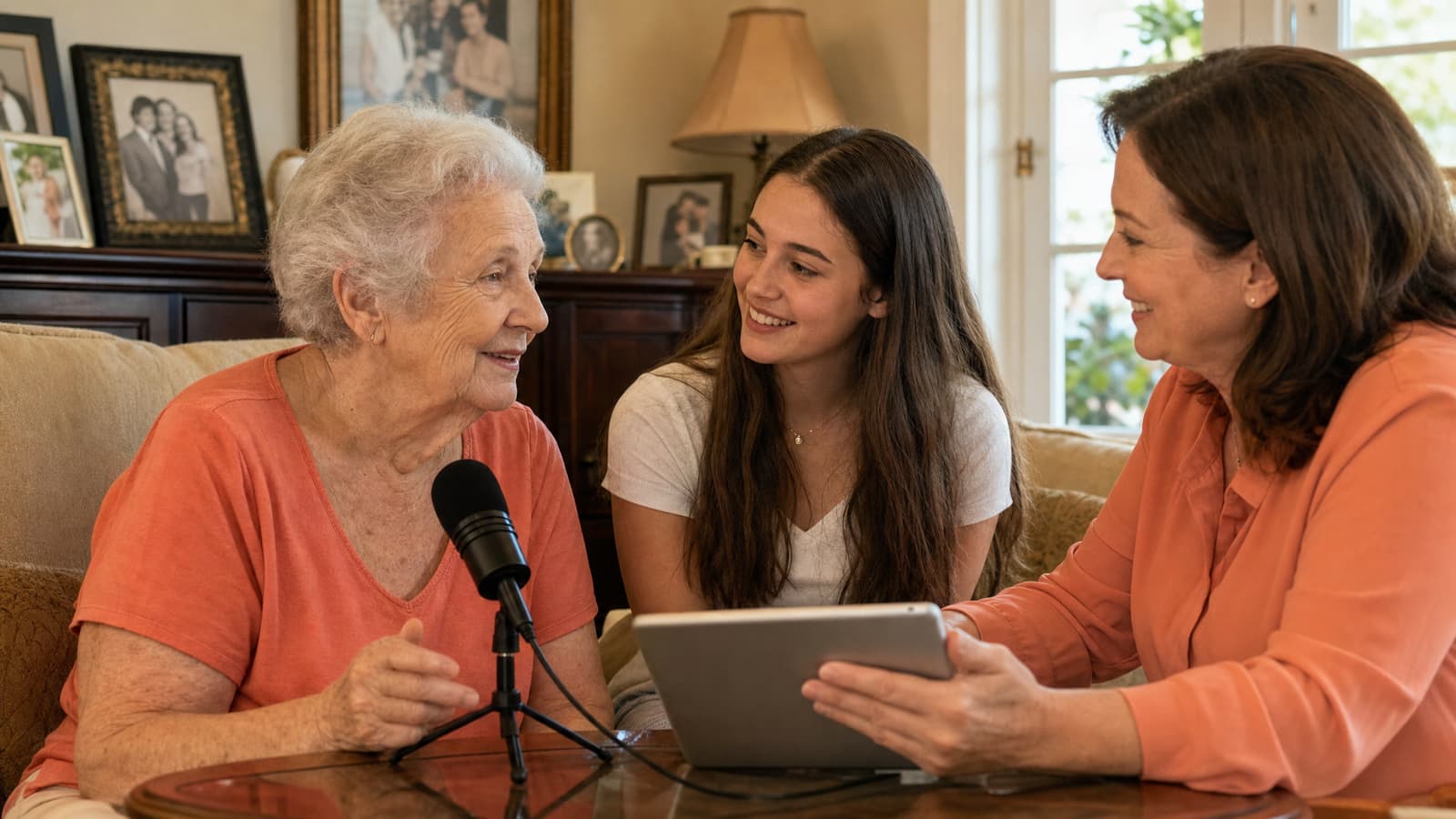
A patient may record a greeting, family story, words of encouragement, shared saying, or message for a future milestone.
With support from music therapy when appropriate and available, a patient may write or dedicate a song, record meaningful music, or share the memories connected to a favorite piece.
When clinically appropriate and welcomed by the patient, a heartbeat may be recorded and thoughtfully paired with music or preserved as a simple audio keepsake.
Guided conversation can help a patient reflect on people, places, traditions, turning points, humor, values, and lessons they would like to pass along.
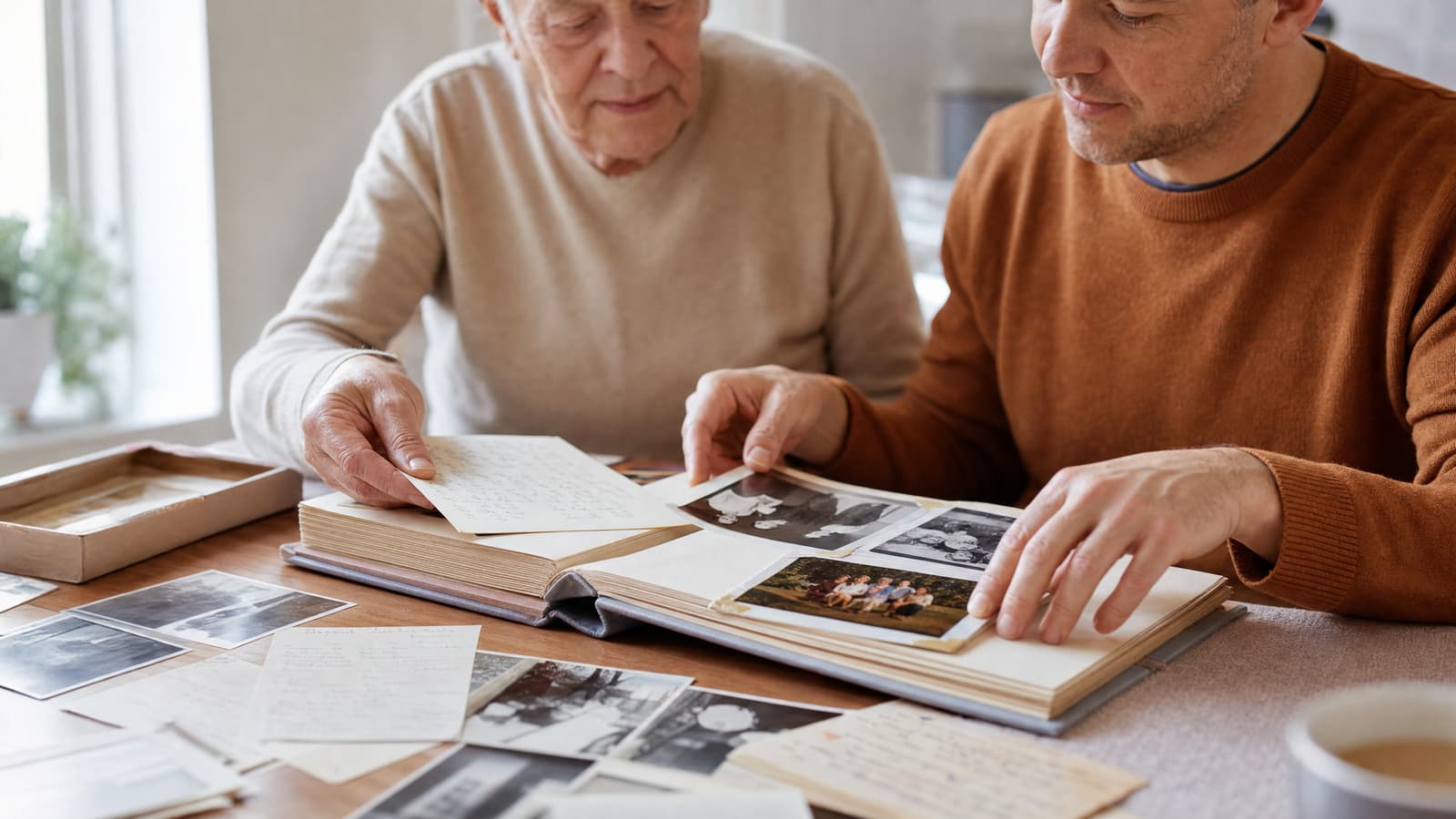
Photographs, handwritten notes, recipes, artwork, or other meaningful details may inspire a small book, letter, audio reflection, or another keepsake suited to the patient.
The process follows the patient rather than a deadline. The hospice team can discuss what feels meaningful, what is realistic, and what support may be available in the patient’s care setting.
Ask a member of the hospice care team about the Legacy Program. The patient can share an idea, or the team can offer gentle prompts without pressure to decide immediately.
The patient decides what they want to express, who may take part, who should receive the project, and what should remain private.
The project may be completed in a short visit or gathered in small pieces over time. The team adapts to fatigue, symptoms, communication needs, and changing wishes.
Whenever possible, the patient reviews the keepsake and confirms how it may be shared. The team follows the consent and delivery plan discussed with the patient and family.
Ask your Treasure Coast Hospice care team whether a personal message, song, story, recording, or small memory project may be right for your loved one.